








Non-Clinical Study
From in vivo pharmacology to full safety packages — supporting your IND with precision, reliability, and GLP-compliant methods.

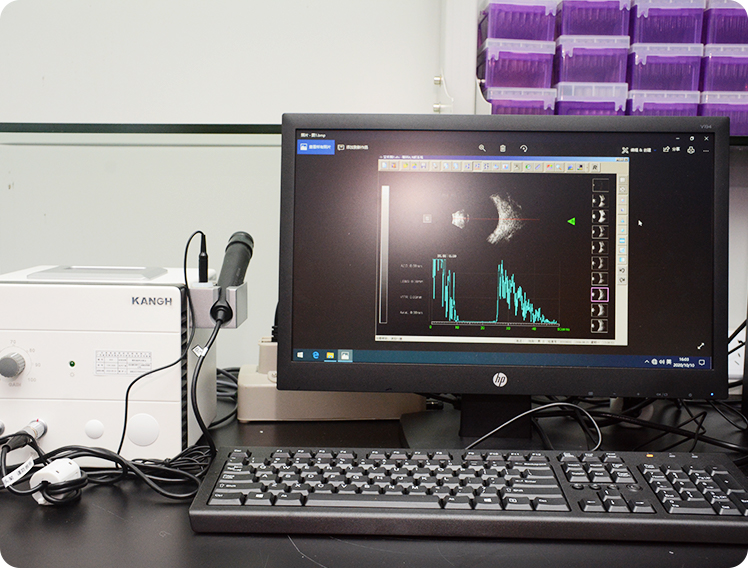
Lab Animal Pathology Examination
We provide a wide range of physiological and pathological assessments in laboratory animals, with reference datasets across species and age ranges.
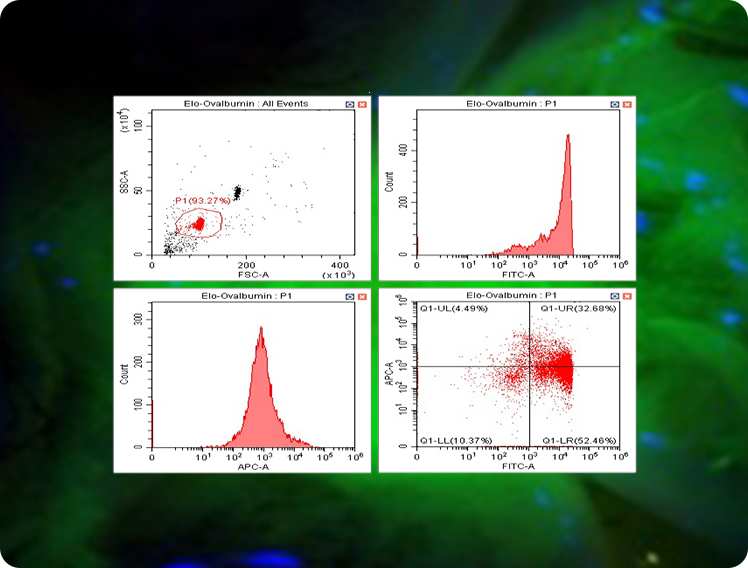
Our services include blood chemistry, histopathology, hematology, immunohistochemistry, and flow cytometry — all executed with AAALAC-accredited standards.
 Lab Animal Pathology Examination
Supported by advanced testing and exam instruments and equipment, we provide testing services and pathology analysis of different clinical indicators.
Clinical Tests:
Biochemical testing (liver function, kidney function, blood lipids and more than 80 biochemical indicators);
Electrolyte detection;
Hematology tests;
Coagulation and coagulation factor tests;
Body fluid and urine tests;
Bone marrow (morphological classification of bone marrow cells);
Blood rheology and sedimentation;
Glycated hemoglobin test
Pathology Analysis:
Routine pathology slide preparation (dehydration, embedding, sectioning, HE staining);
Special staining (PAS, Masson trichrome staining, oil red O staining, silver nitrate);
Immunohistochemistry;
Immunofluorescence;
Frozen section;
Pathological analysis and diagnosis
Non-Clinical Safety Evaluation
We offer 10 full GLP toxicology services, adaptable to various species and routes of administration.
-

Single-Dose Toxicity
-

Repeated-Dose Toxicity
-

Formulation Safety
-

Carcinogenicity Test
-

Safety Pharmacology
-

Genetic Toxicity
-

Reproductive Toxicity
-

Immunogenicity
-

Toxicokinetic Test
-

Abuse Liability Assays (Dependence Potential)
Non-Clinical Safety Evaluation
Multiple administration techniques for various types of pharmaceuticals can be applied in drug safety evaluation study.
Single dose toxicity studies
Mice, rats, rabbits, dogs, monkeys, mini pigs and other models
Repeated dose toxicity studies
Mice, rats, rabbits, dogs, monkeys, mini pigs and other models
Safety pharmacology
a) Core battery studies:
Telemetry (implantable and non implantable), evaluation of respiratory function, cardiovascular assessment and FOB, both in conscious and anesthetized animals
b) Supplemental studies
Formulation safety and topical toxicity studies
Local tolerance including ocular, respiratory (inhalation), vaginal and percutaneous
Immunogenicity
Cellular immunity, humoral immunity, ADA and neutralizing antibodies
Genotoxicity studies
Ames assay, in vitro chromosomal aberration test, micronucleus test, mouse lymphoma assay
Developmental and reproductive toxicology (DART)
Segment I, II and III in rats and segment II in rabbits
Carcinogenicity studies
Two year repeated dose carcinogenicity study in rats,
Short and medium term carcinogenicity study in transgenic mice, rodent initiation-promotion model and neonatal rodent carcinogenicity model
Toxicokinetic studies
Abuse Liability Studies
Dependence potential of medicinal products, physiological and psychological
Featured drug evaluation systems:
Pediatric, ophthalmic and dermatologic drugs, and cellular & gene therapy products;
Various routes of administration:
Oral, percutaneous, intradermal, intranasal, vaginal, inhalation, subcutaneous, intraperitoneal, intramuscular, intravenous, intra articular, and special ocular routes of administration

Pharmacodynamic Evaluation of New Drugs
All platforms are AAALAC-accredited and GLP-referenced.
Pharmacokinetic Studies
We offer comprehensive ADME and PK/PD studies across all development phases.
Our team supports compound-specific optimization of sampling, dosing, and bioanalysis — from exploratory stage through to IND submission.
Non-Clinical Pharmacokinetic Study
Full-scale ADME, PK and TK studies for more than 100 new drugs have been successfully completed in areas of ophthalmic, chiral, prodrug with special formulations and various delivery routes.
In vitro pharmacokinetic studies:
Hepatic microsomes/hepatocytes/hepatic S9 metabolic stability and metabolite identification studies (human, monkey, canine, rat, mouse);
Metabolic phenotyping studies (chemical inhibition and recombinant enzyme metabolism);
CYP enzyme inhibition/induction studies;
Plasma protein binding rate;
Caco 2 permeability assay;
Melanin binding assay;
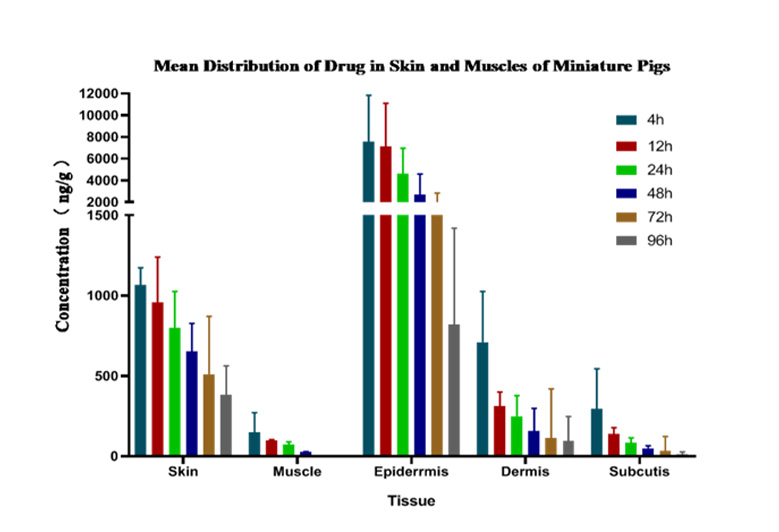
In vitro transdermal absorption study
In vivo pharmacokinetic studies:
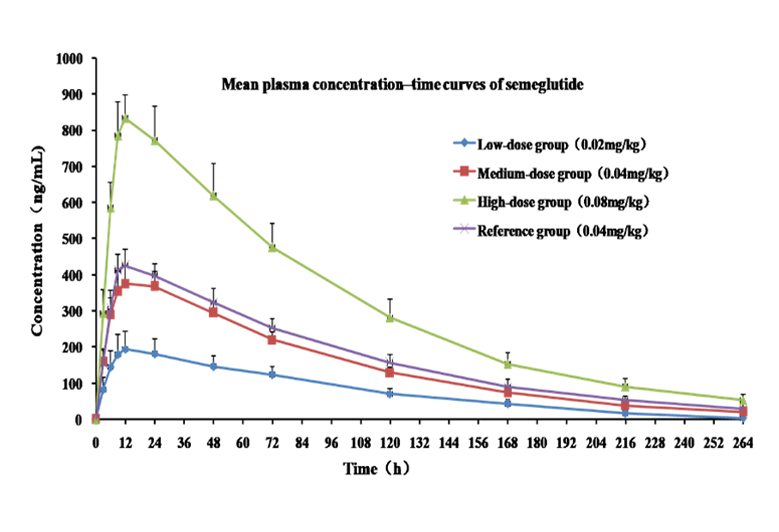
Absorption and blood concentration time curve;
Tissue distribution;
Metabolite identification and quantitative analysis;
Excretion;
Bioequivalence studies;
Drug interaction studies;
Blood brain barrier (cerebrospinal fluid) permeability
Toxicokinetics in the various areas of toxicity testing - specific aspects:
Single dose toxicity studies;
Repeated dose toxicity studies;
Genotoxicity studies;
Reproductive toxicity studies;
Carcinogenicity (oncogenicity) studies;
Biodistribution studies;
Featured Studies:
PK/TK studies of ophthalmic, chiral and pro drugs;
PK/TK studies of products through transdermal/inhalation/mucosal/ intra articular /nasal administration;
PK/TK studies of special formulations (micelles, liposomes, microspheres, etc.);
PK/TK studies of Natural Products;
PK/TK studies of protein peptide/antibody based drugs;
PK/TK studies of cellular & gene therapy products;
Analysis of endogenous substance, ultra low drug concentration, multi- analyte and samples with complex matrix
Biological Sample Analysis
Our labs have developed validated methods for over 300 compounds, in strict accordance with global regulatory standards.
-

Bioanalytical Method Development
and ValidationBioanalytical Method Development
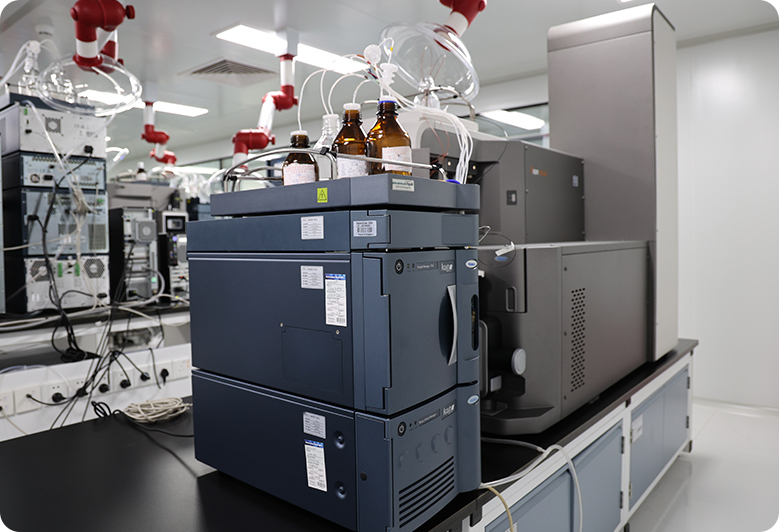
and ValidationUPLC MS/MS method for quantitative analysis of small molecules, peptides, oligonucleotides;
UPCC MS/MS method for quantitative analysis of chiral drugs;
Q-Tof metabolite analysis and protein characterization;
GC MS method for in vivo and in vitro analysis of drugs;
ELISA or MSD method for quantitative analysis of proteins, antibodies, immunogenicity, etc.;
PCR, live imaging, flow cytometry, and immunofluorescence for cellular and gene level analysis -

Molecular Biology
Molecular Biology
We are capable of performing ELISA, flow cytometry (multicolor), multiplex cytokine analysis (CBA and MSD), QPCR assay, ELISpot, analysis of vaccine/neutralizing antibody, ADA for drug resistant antibodies, quality control assay of cell products (exogenous factors, sterility, mycoplasma, tumorigenicity, oncogenicity and other in vitro and
animal experiments) for laboratory rats, mice, guinea pigs, rabbits, dogs, monkeys, and pigs.


